Under the right conditions, prescribed fire is one of the most cost‑effective and ecologically beneficial tools available for managing hazardous fuels. When planned and implemented by qualified professionals, it reduces the buildup of vegetation that can drive extreme wildfire behavior, restores natural fire cycles, and improves the resilience of landscapes and communities.
Prescribed fire can be tailored to a wide range of objectives. A broadcast burn can open up dense understory vegetation, stimulate new growth for wildlife habitat, and maintain healthy rangelands and forests. In other situations, a strategically placed blackline—a strip of intentionally burned fuel along a road, fence line, or property boundary—creates a defensive buffer that can significantly reduce risk ahead of a severe fire season.
Whether your goal is ecological restoration, improved habitat, safer defensible space, or proactive risk reduction, our team provides the planning, expertise, and operational support needed to carry out safe, effective prescribed fires. From site assessment and burn plan development to ignition operations and post‑burn monitoring, we help landowners and agencies use fire responsibly to protect both natural resources and the communities that depend on them.
Prescribed Fire Services
Broadcast Prescribed Fire
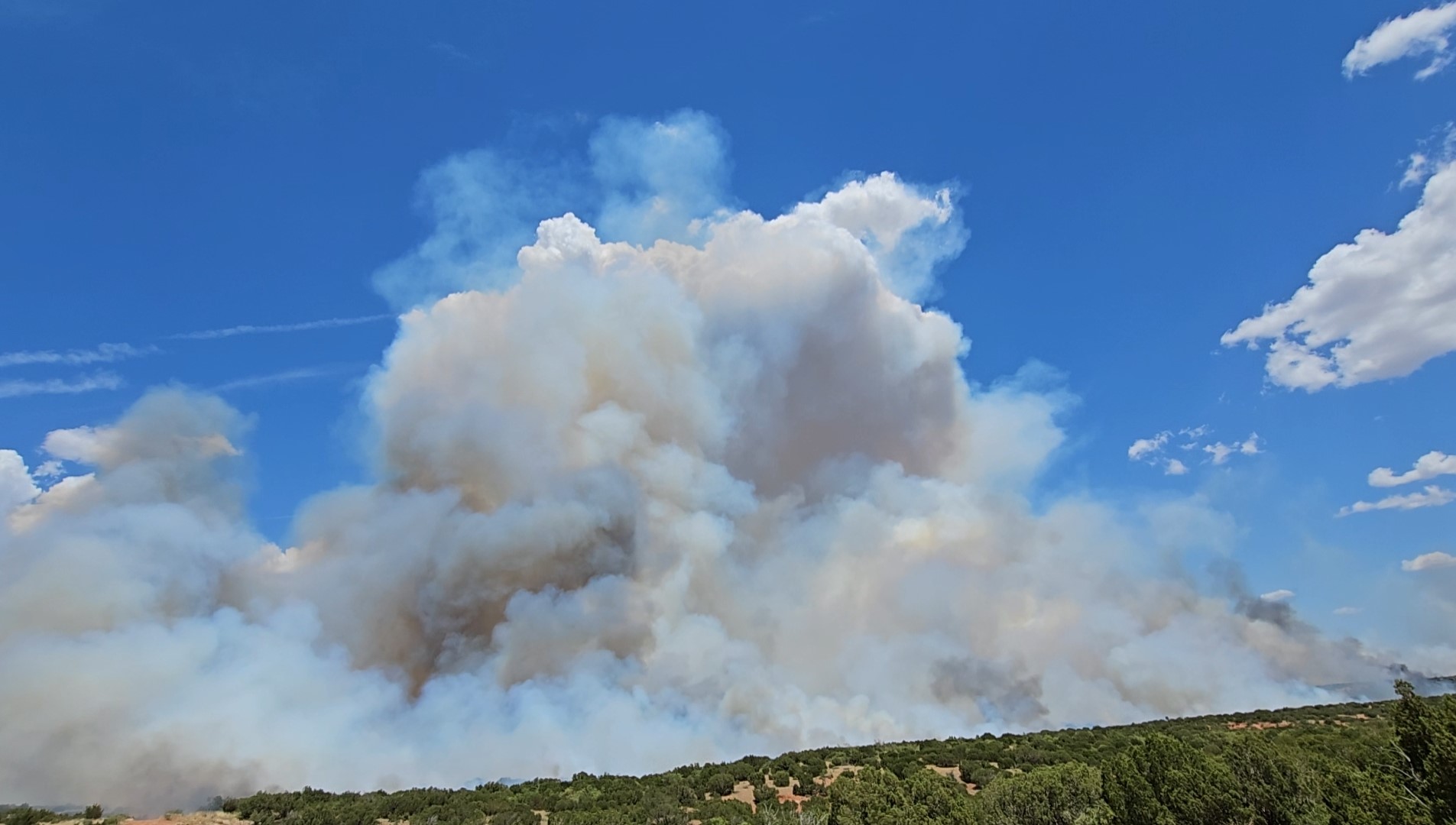
Large-scale understory prescribed fires are one of the most efficient tools for reducing continuous fuels across broad areas. We can conduct these prescribed fires to lower fuel loads and achieve ecological goals.
Defensible Space Prescribed Fire
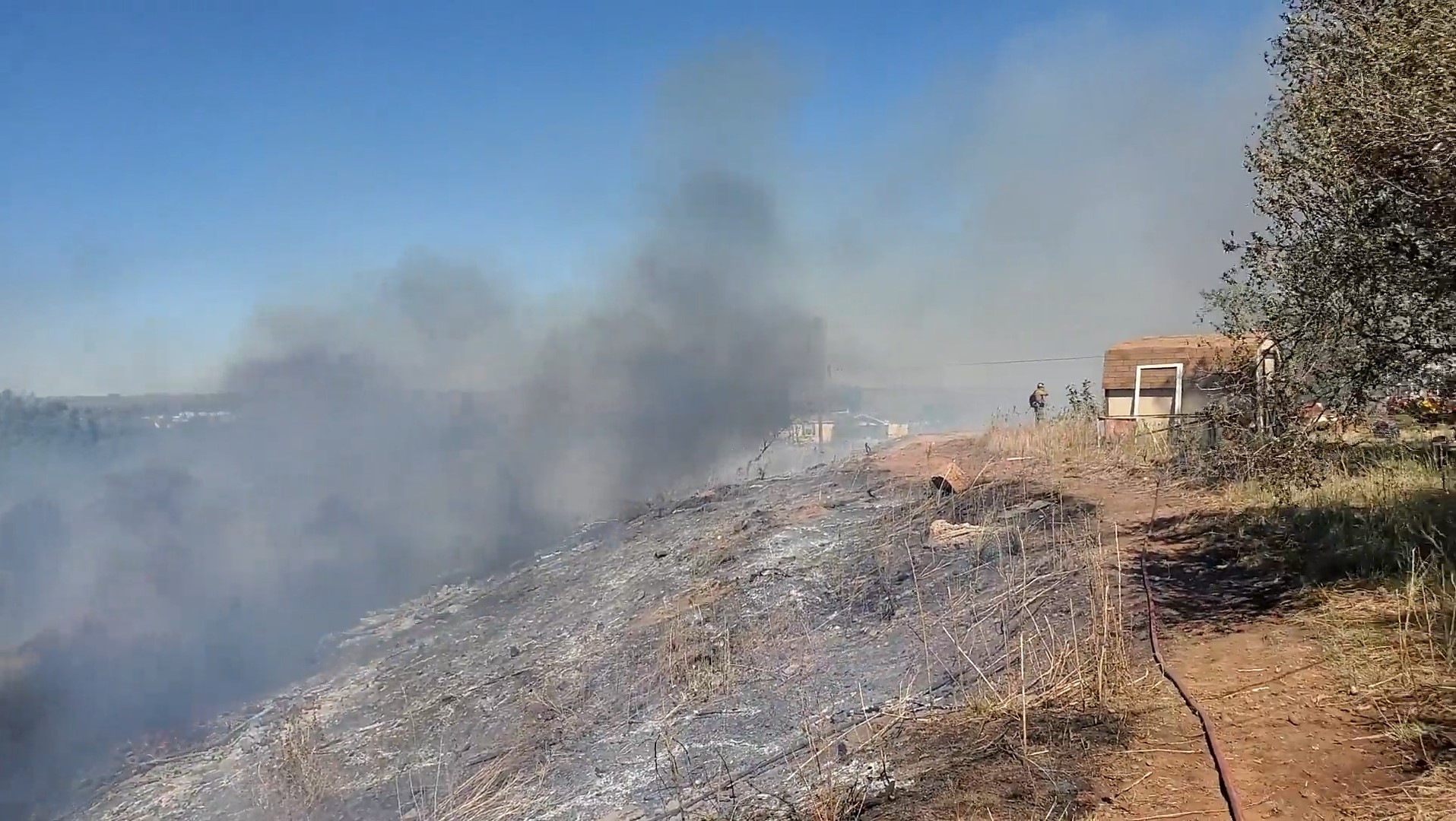
Low-intensity fire near structures can maintain defensible space more effectively and with less disturbance than repeated mechanical treatment. Low-intensity fire can be applied around values to reduce residual fine fuels while preserving the protective buffer.
Upwind Defensive Prescribed Fire
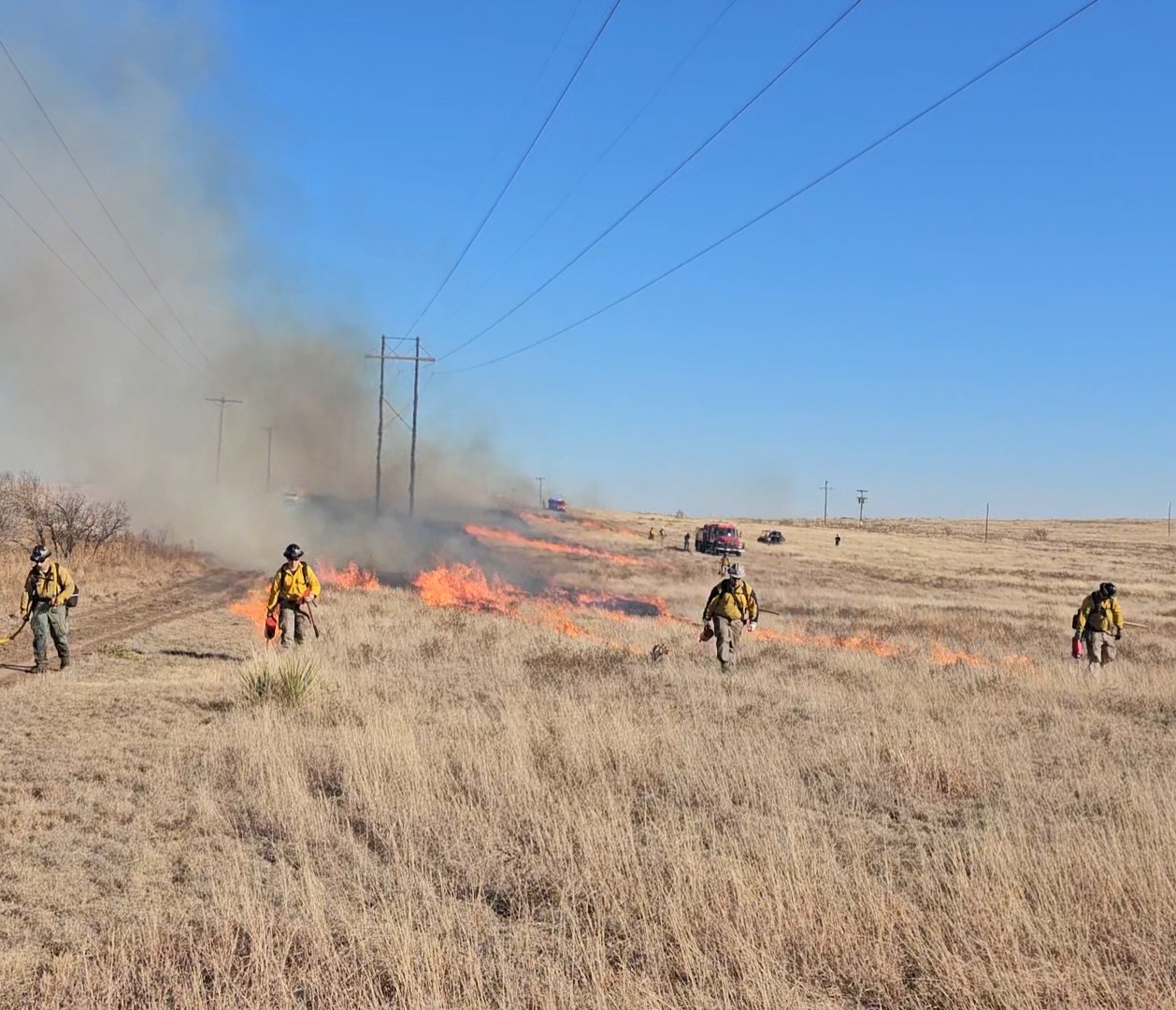
Narrow, nearly linear prescribed fires placed along property boundaries or roads before fire season can create effective barriers that slow or stop an approaching wildfire moving from the prevailing upwind direction. We can plan and implement these defensive prescribed fires to establish pre-season fuel breaks that significantly improve protection for communities, ranches, and infrastructure, as demonstrated by the prescribed fire that helped shield Borger, Texas from the Windy Deuce Fire in 2024. Several of our firefighters served in key roles during the implementation of that prescribed fire.
Pile Burning
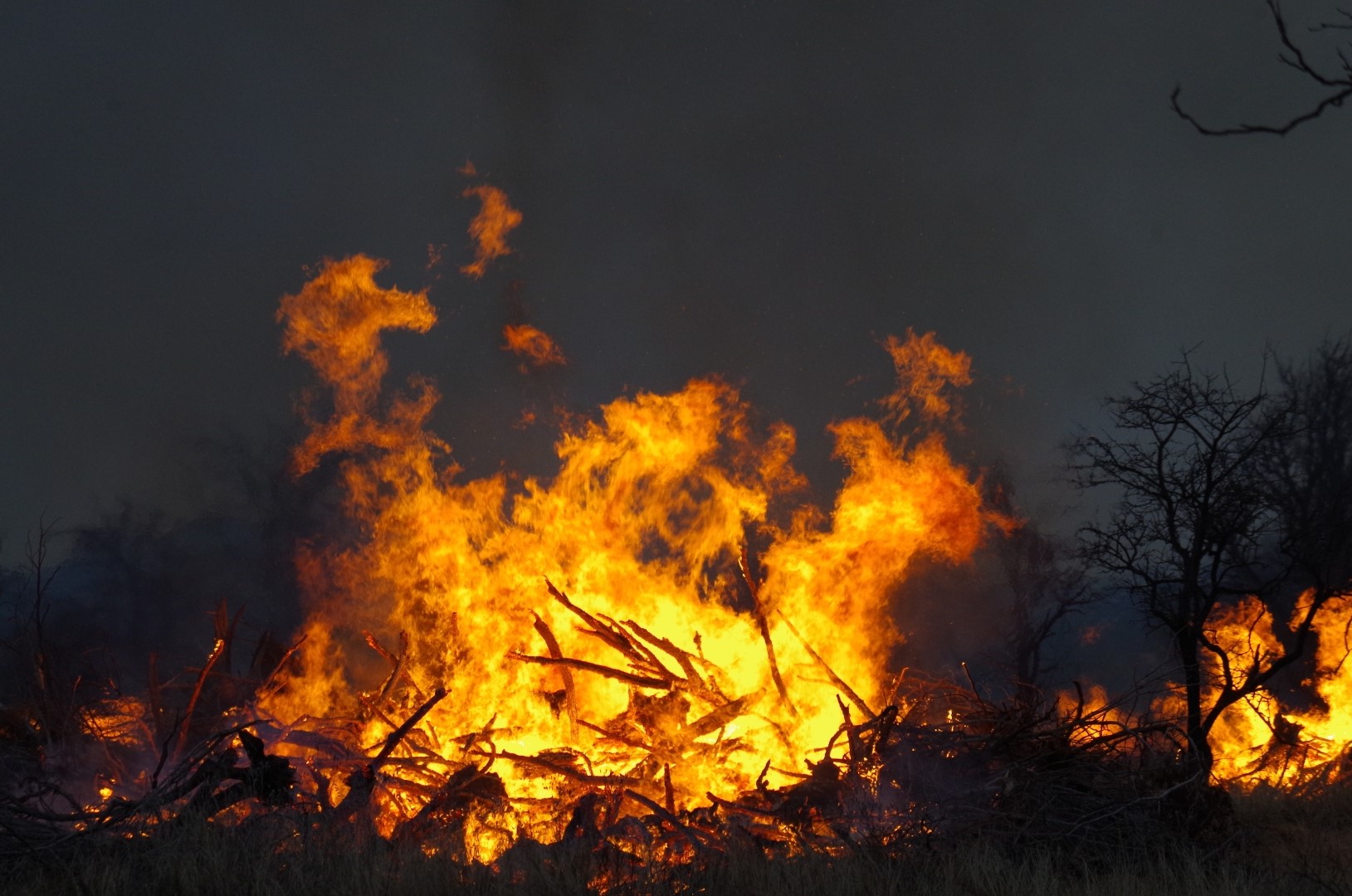
Concentrated piles of cut material remain a significant residual fuel hazard until they are safely disposed of. Piles can be ignited and monitored under prescribed conditions to eliminate the fuel load.
Prescribed Fire Staffing Augmentation
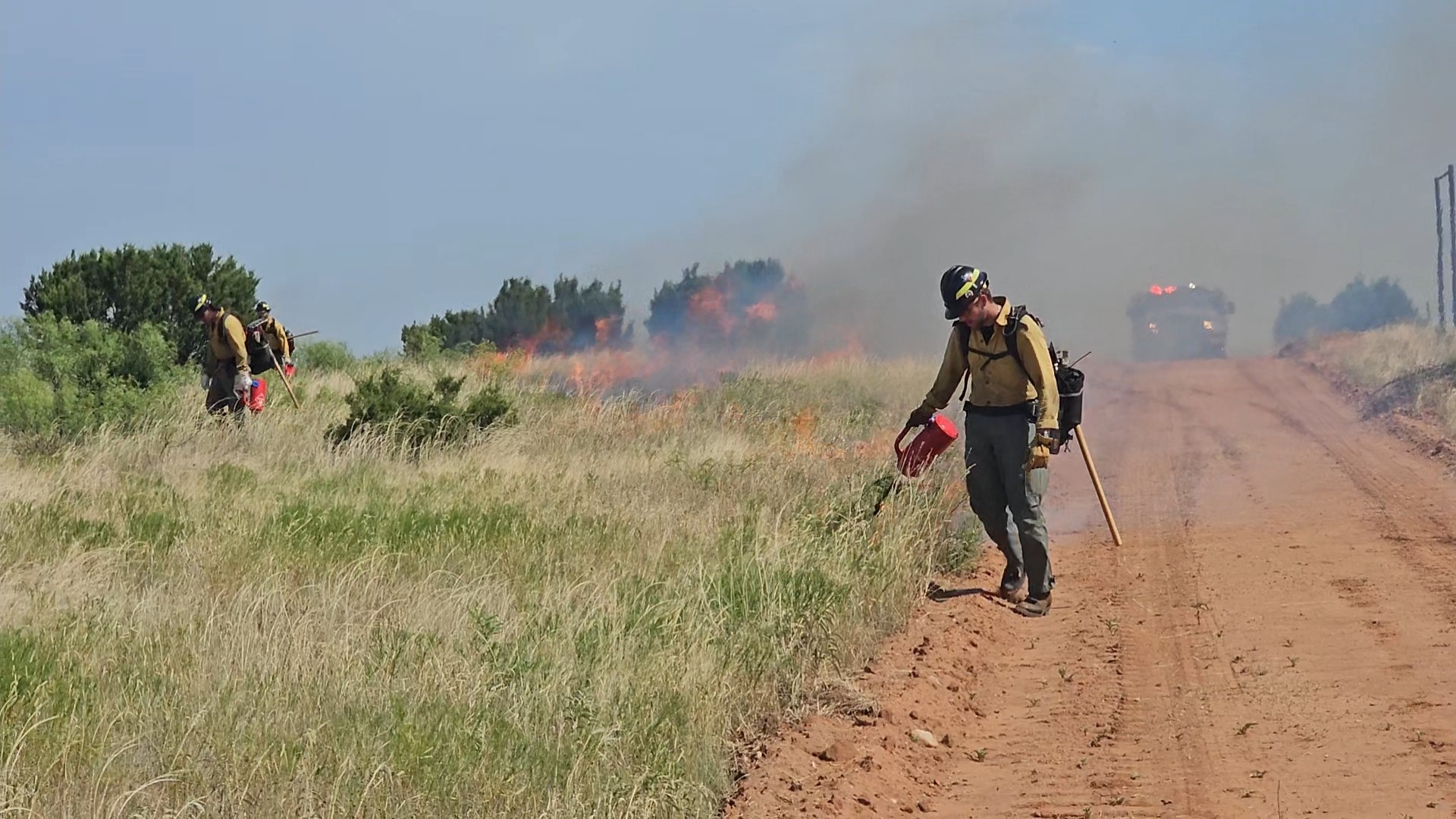
Many agencies, ranches, and prescribed burn associations lack sufficient qualified personnel to implement prescribed fire at the scale needed. Experienced crews and engines can be supplied to supplement existing prescribed-fire operations.
Contingency Resource Augmentation
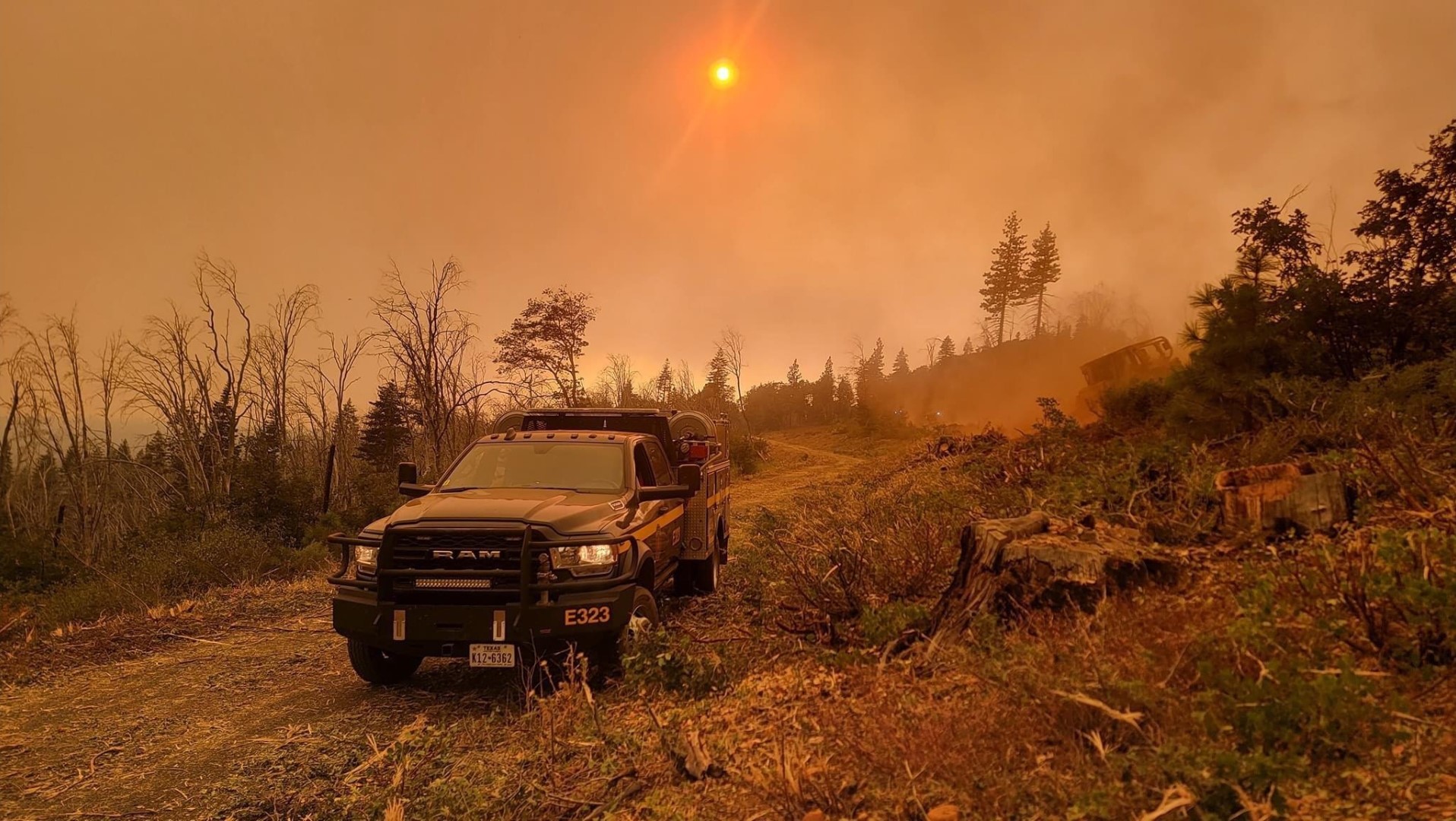
Contingency resources for prescribed fire are frequently drawn from local fire departments whose primary duty is jurisdictional coverage, but if those units are dispatched to an emerging wildfire, the prescribed fire can quickly fall out of prescription and must be shut down. We can serve as dedicated contingency engines and crews that are not obligated to any jurisdiction, remaining available solely to support your prescribed fire and respond if conditions change.
Prescribed Fire Plan Writing
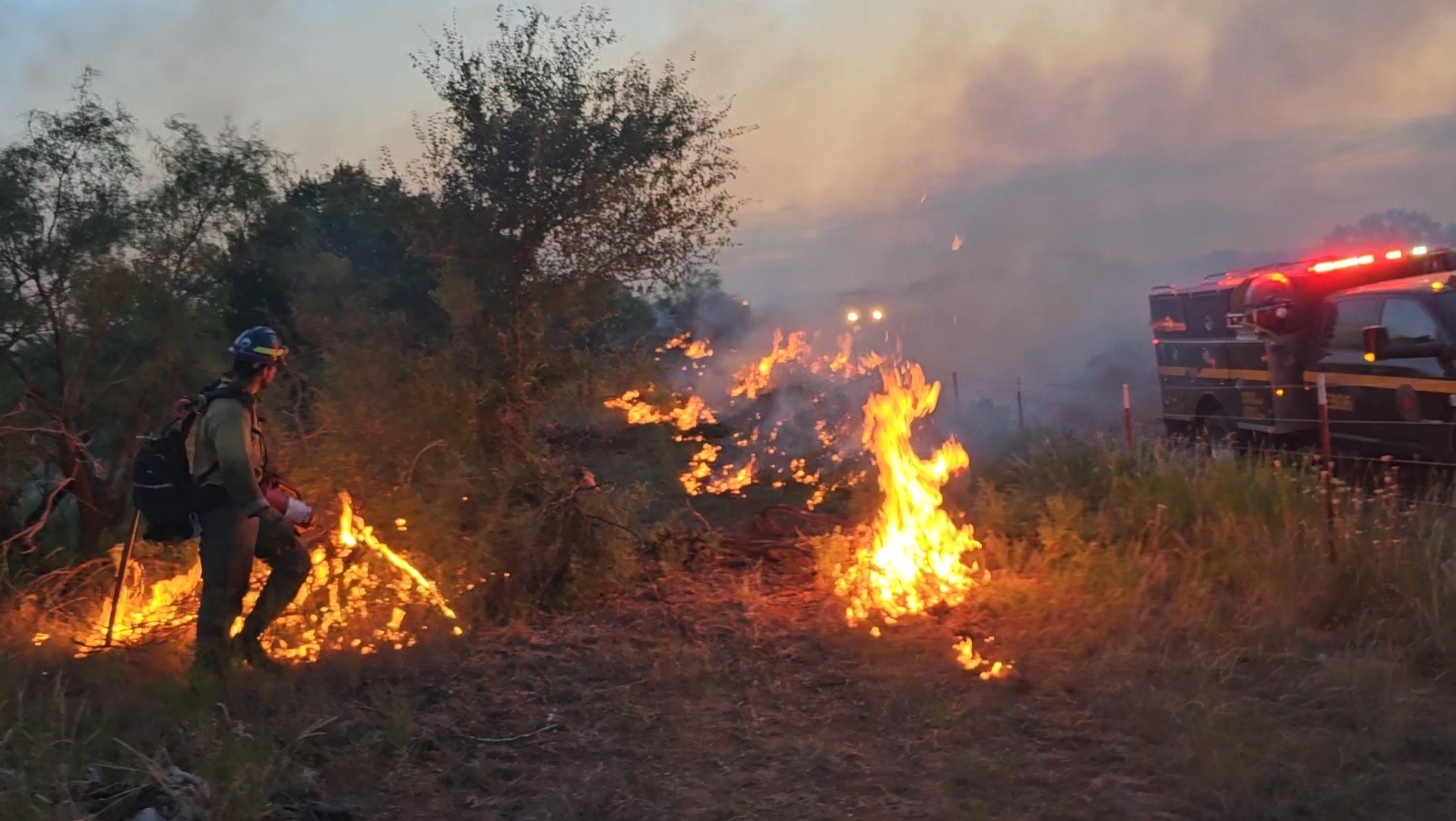
A well-written burn plan is essential for safety, regulatory compliance, and successful outcomes. Comprehensive plans can be prepared that meet agency or state standards, address contingencies, and support effective implementation.
Smoke Management Planning and Permitting Support
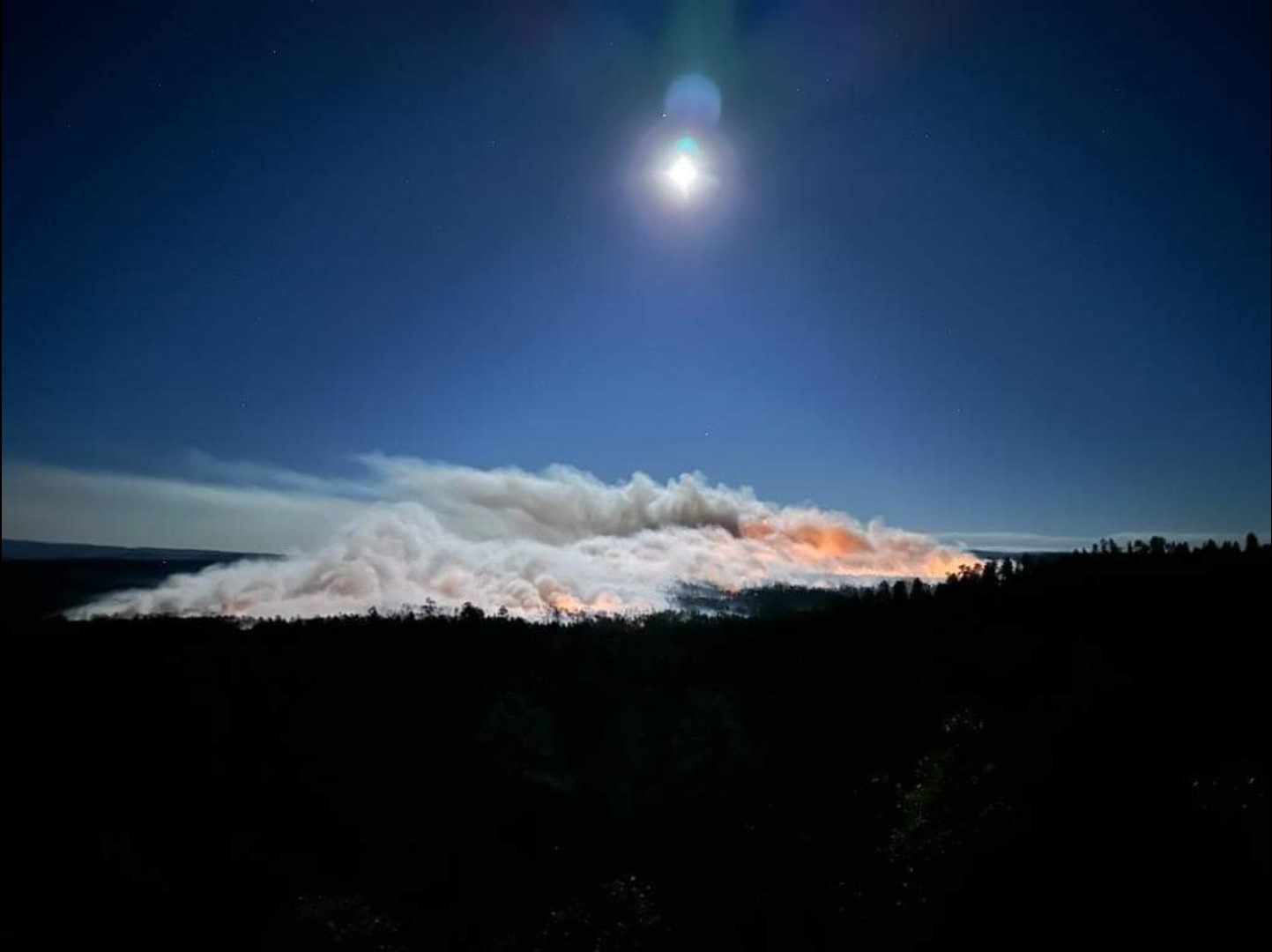
Smoke impacts can limit prescribed-fire opportunities and create public-health concerns if not carefully managed. Smoke management strategies can be developed and permitting assistance provided to minimize impacts and meet requirements.
Burn Severity Mapping Support
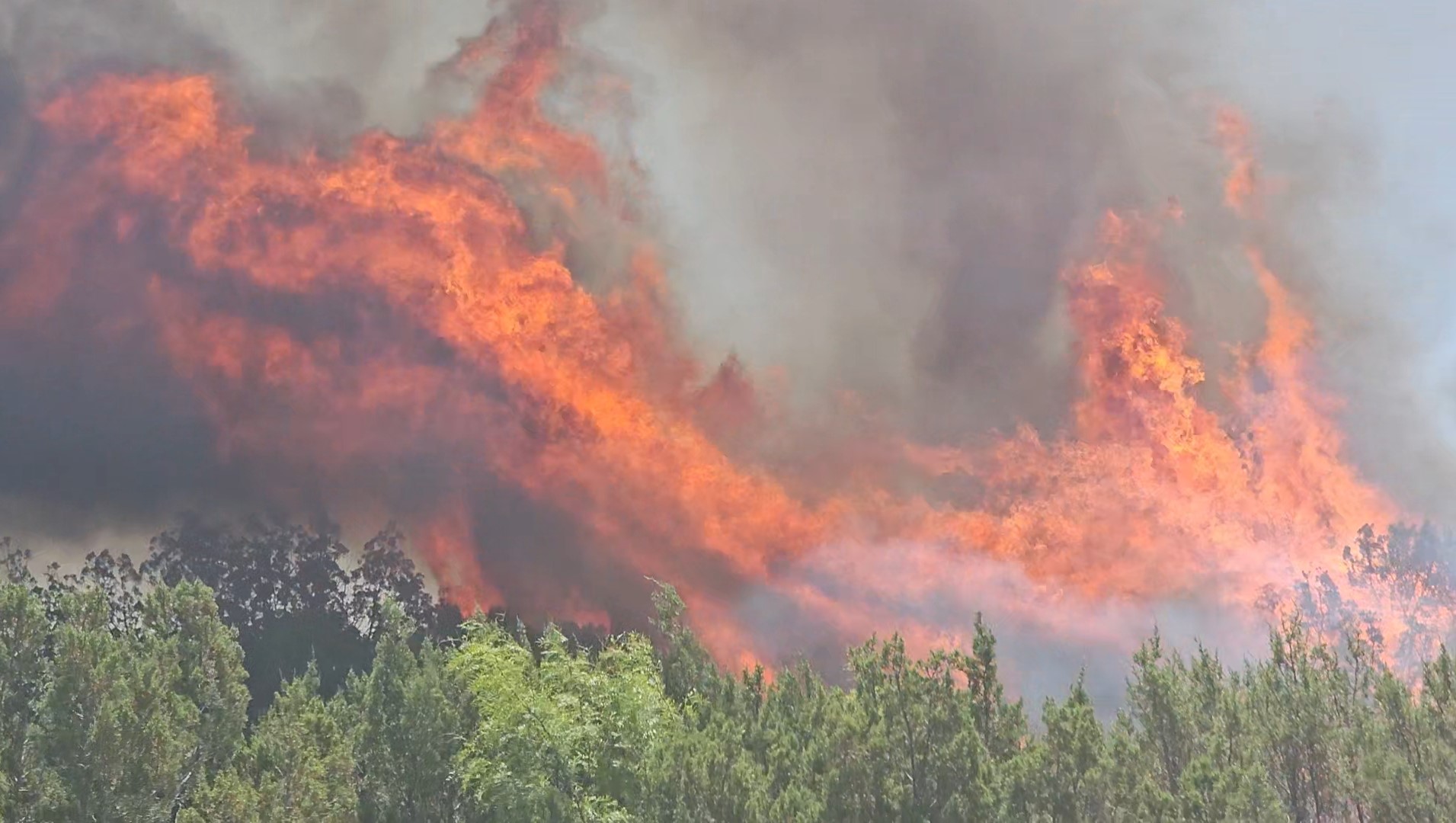
Rapid assessment of how severely a prescribed fire burned helps managers evaluate whether objectives were met and guides immediate post-fire decisions. Estimates of burn severity can be provided fairly quickly after the fire, giving you timely information on fire effects across the unit.
Check out the 100 Fires Project Treasure Hunt section to learn from our wildfire history. Can your crew be the first to solve it?