Who better to maintain your defensible space than wildland firefighters?
Western Fire Resources is the clear choice for wildland fire fuels mitigation. We specialize in Wildland Urban Interface (WUI) treatments that meet NFPA Firewise USA standards, helping create the defensible space that best protects property from wildfire. Our professional wildland firefighters bring years of experience protecting values at risk and know how to manage fuels to those standards. We also clear fencelines and rights-of-way on ranch and farmland, and install hand firelines to mineral soil with reduced adjacent fuels for prescribed fires or general protection in terrain unsuitable for heavy equipment—minimizing holding work on burn day. Based in Canadian, Texas, we can travel nationwide for projects.
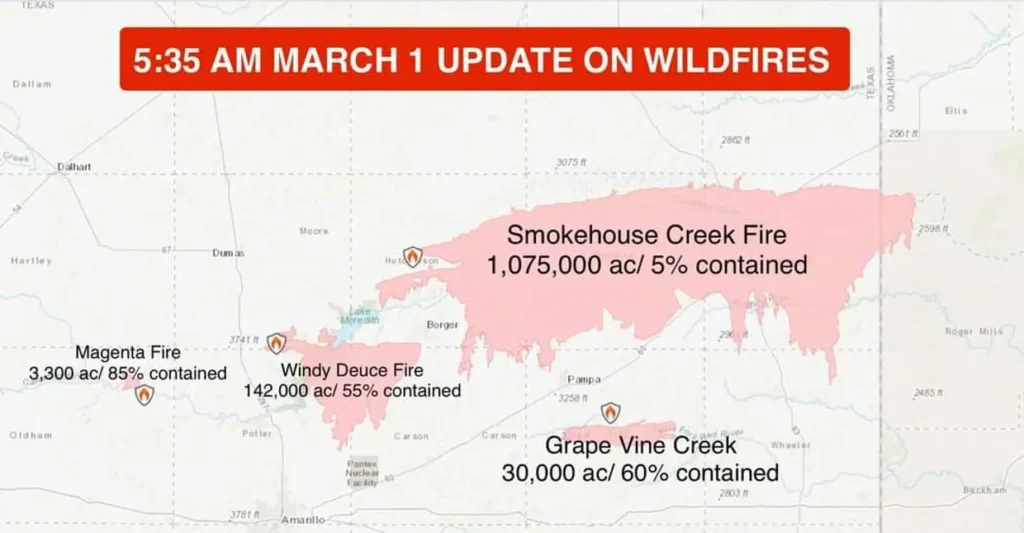
Texas Panhandle communities know wildfire well. From the East Amarillo Complex in 2006 to the Perryton Fire in 2017 and the Windy Deuce and Smokehouse Creek Fires in 2024, fires routinely consume 100,000+ acres in a single burning period. The Smokehouse Creek Fire alone burned more acres than any other single fire in the lower 48 since 1910—and did so in just over 30 hours.
When these megafires strike, communities face immediate risk. Evacuation can be unsafe, forcing officials to decide if residents should leave or shelter in place—often with outdated or conflicting information on the fire’s location.
The best protection remains defensible space. While it differs for a single property versus an entire community, the methods are similar. Community-level preparedness, part of the Prepare, Leave Early, or Stay and Defend approach used in Australia and select U.S. communities, can reduce structure impacts, give first responders a tactical advantage, and widen the decision-making time wedge as fire approaches.
Fuels Management Services
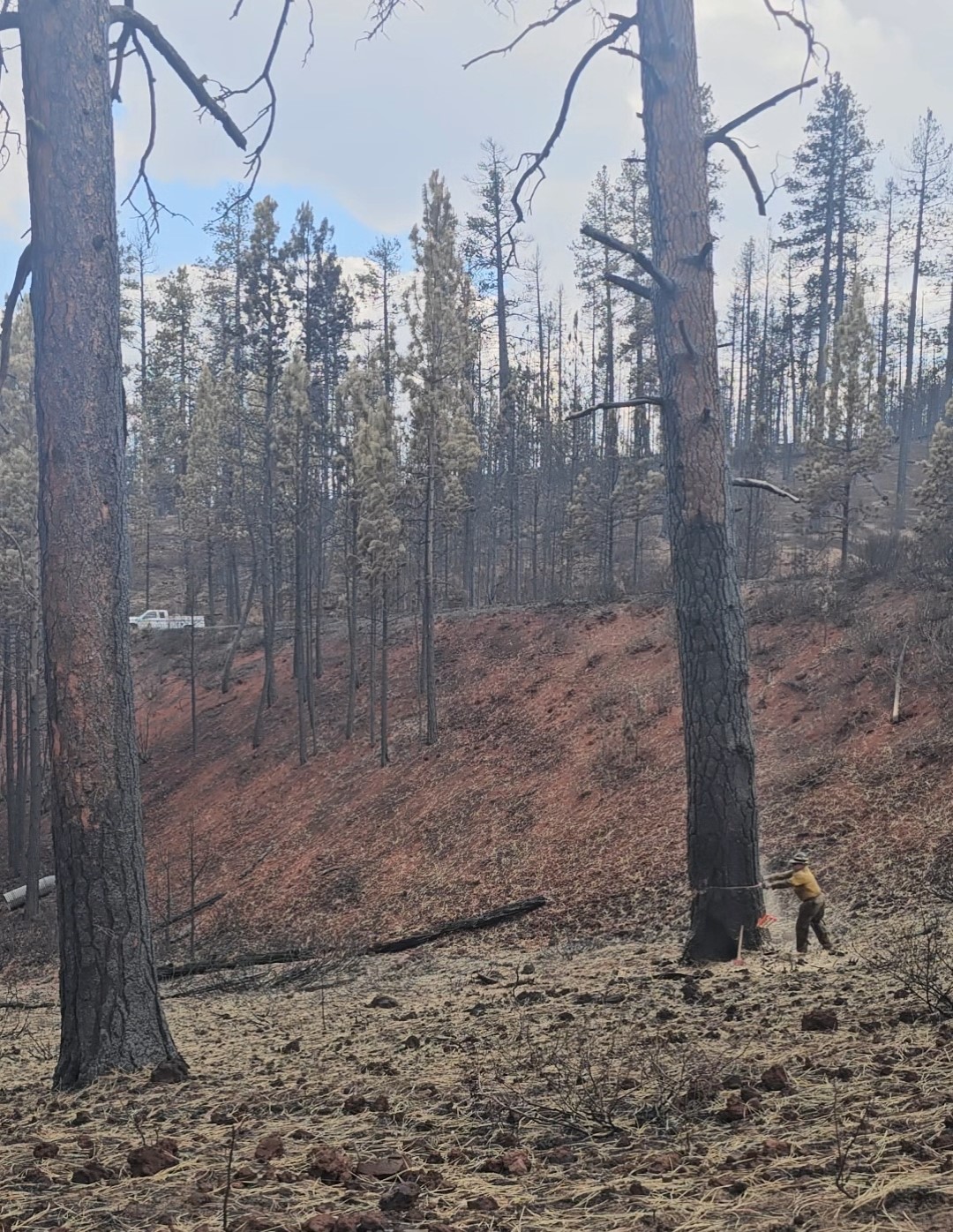
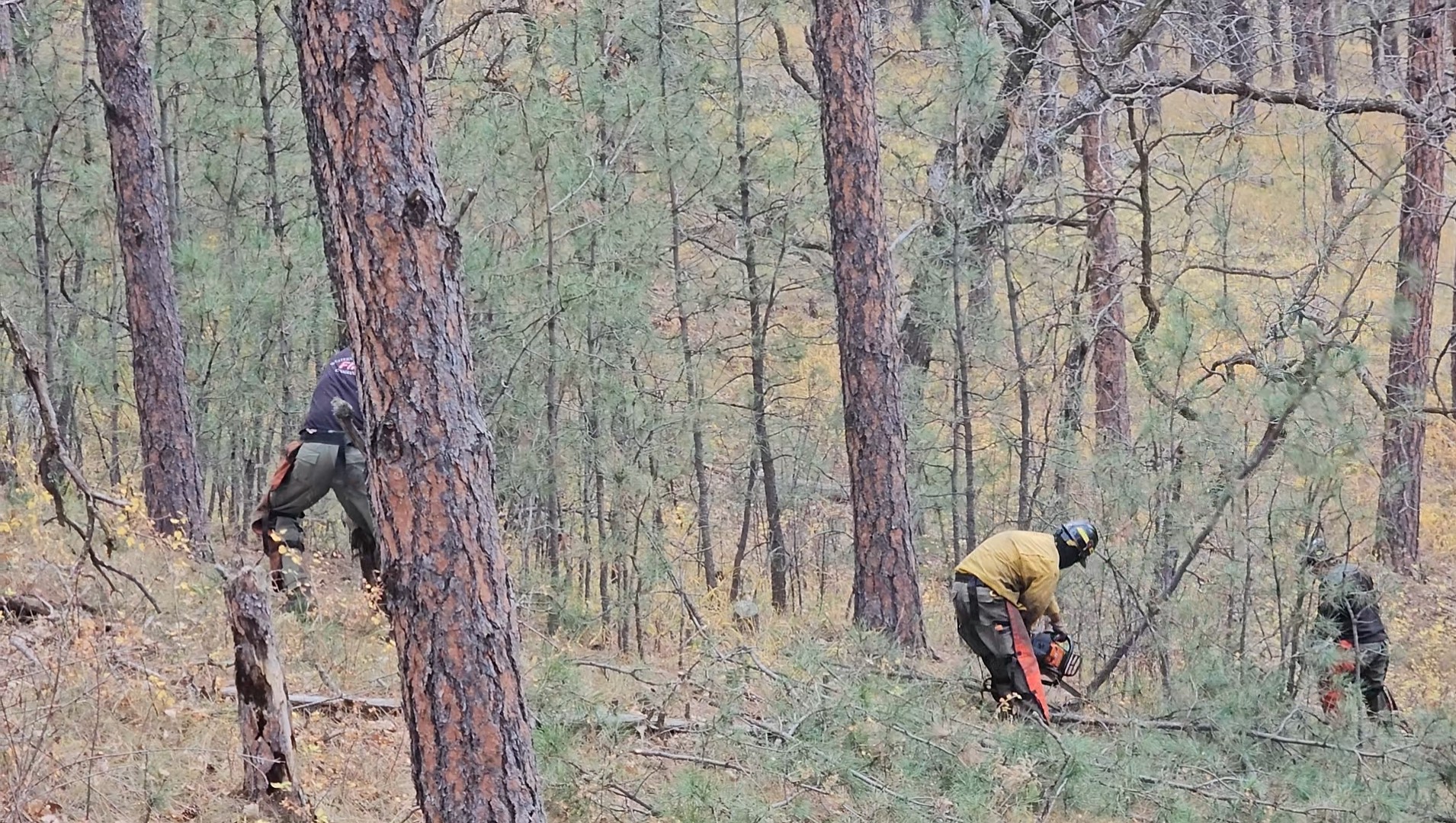
Hazard Tree Felling
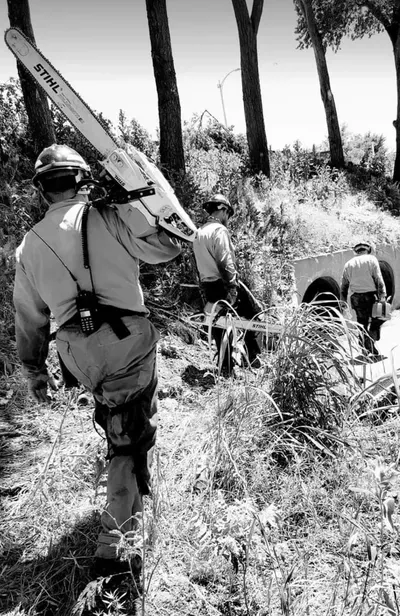
Dead or compromised trees create ignition hazards and pose serious risks to people, structures, and access routes. We safely remove these trees using certified sawyers, eliminating both falling hazards and potential ignition sources.
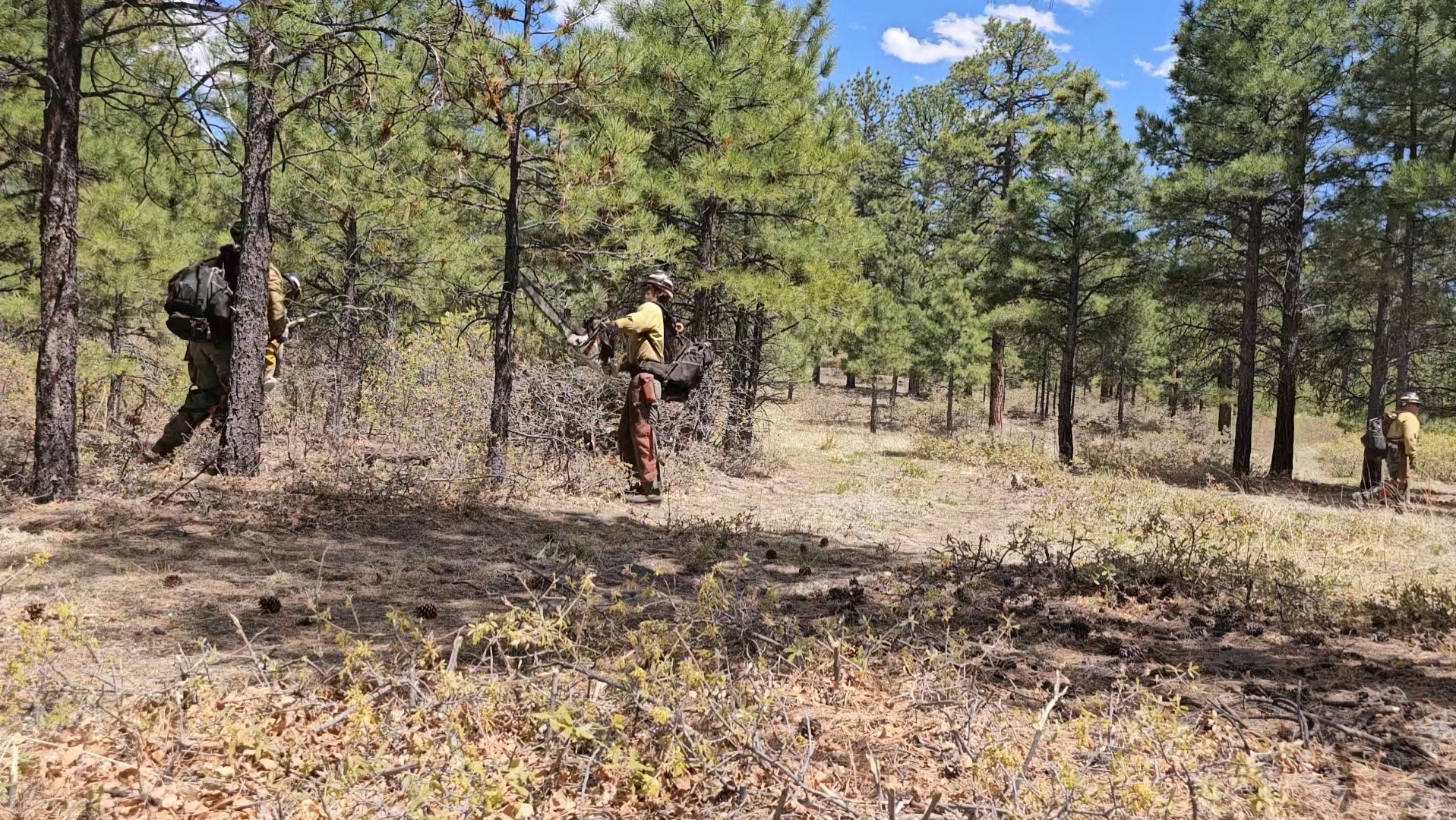
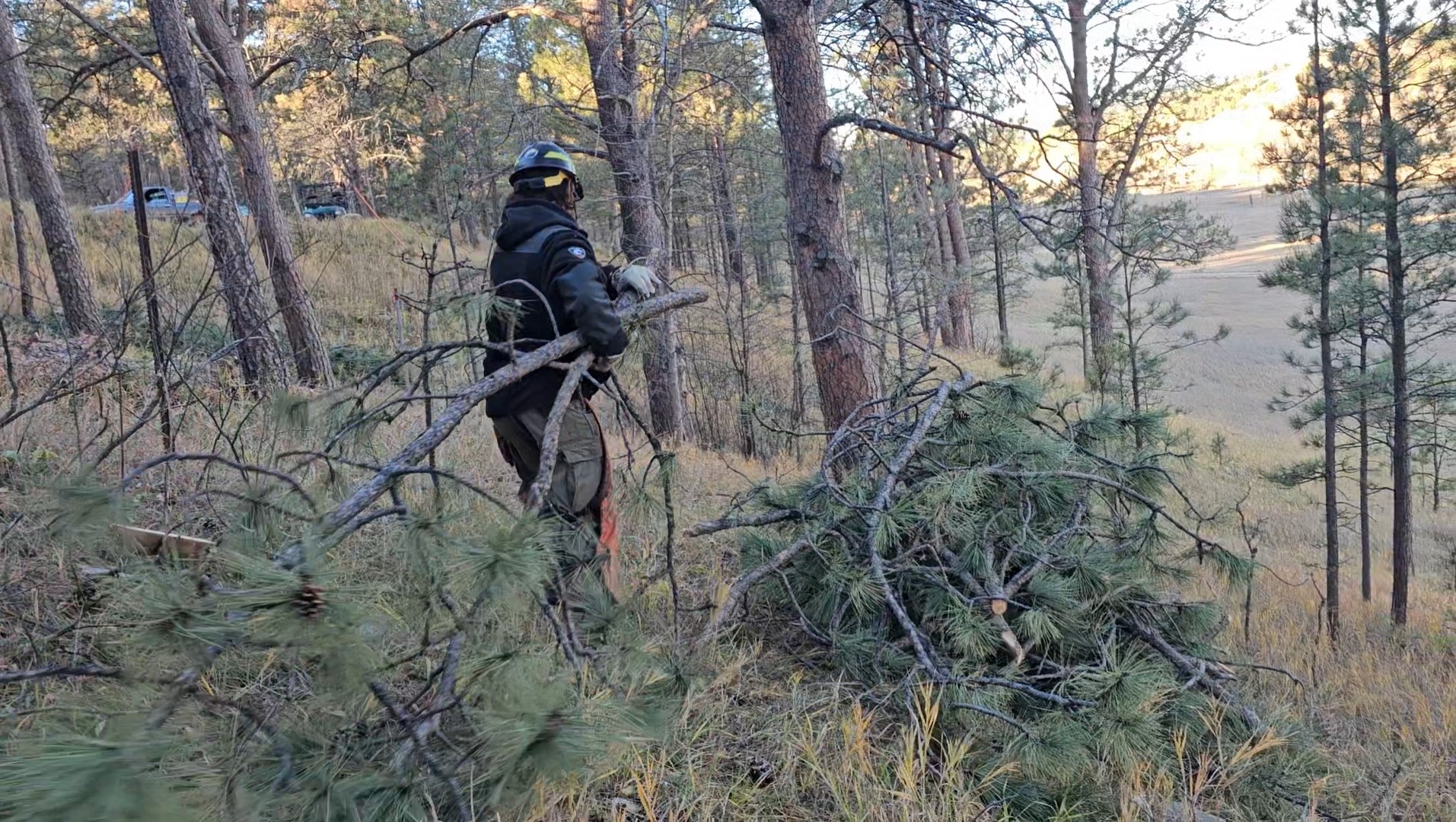
Hand Thinning
Dense, continuous vegetation allows fire to spread quickly and intensify, making suppression more difficult and increasing risk to nearby values. We selectively cut and remove excess fuels by hand to break up continuity, reduce ladder fuels, and improve overall fire resilience.
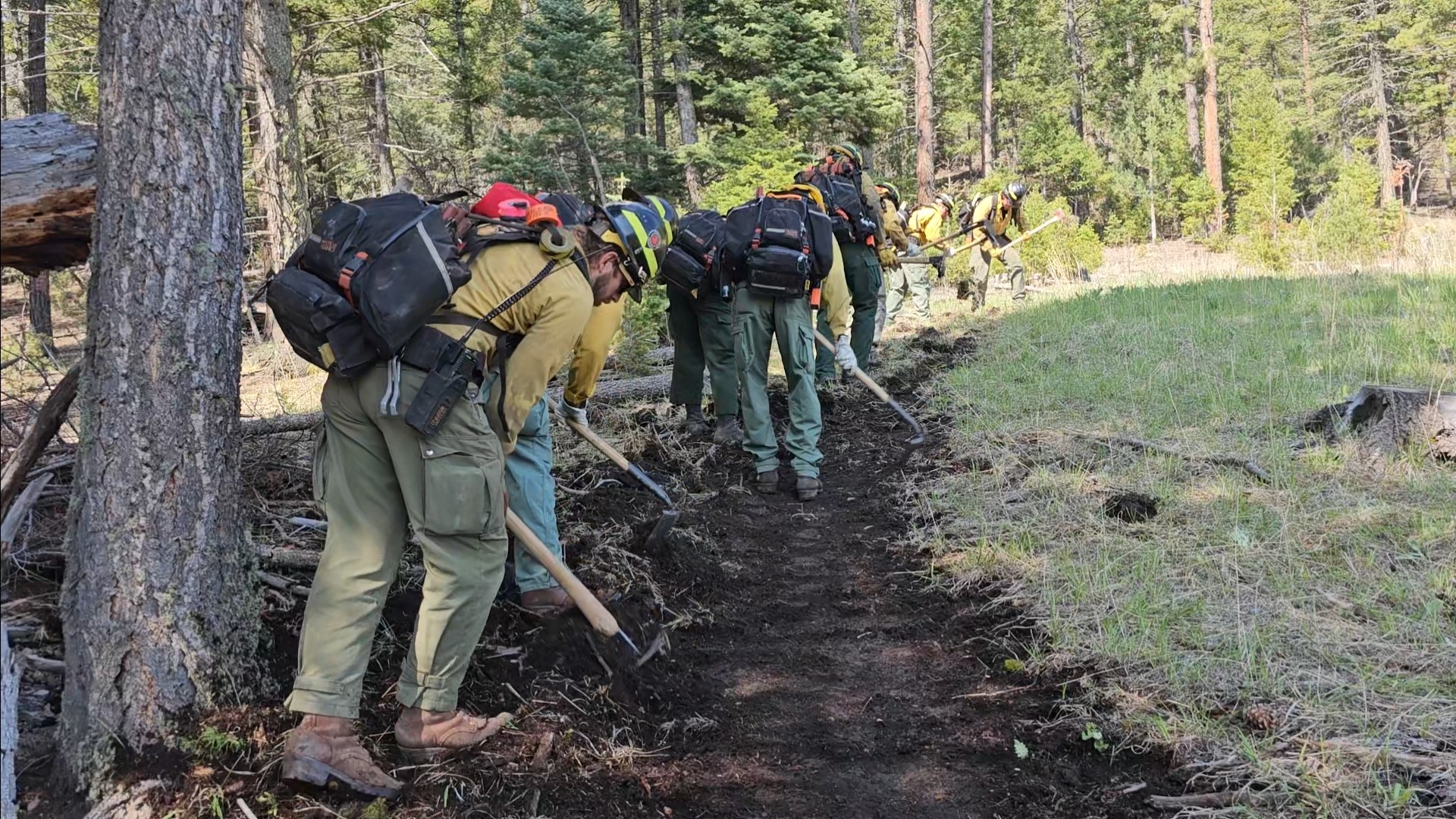
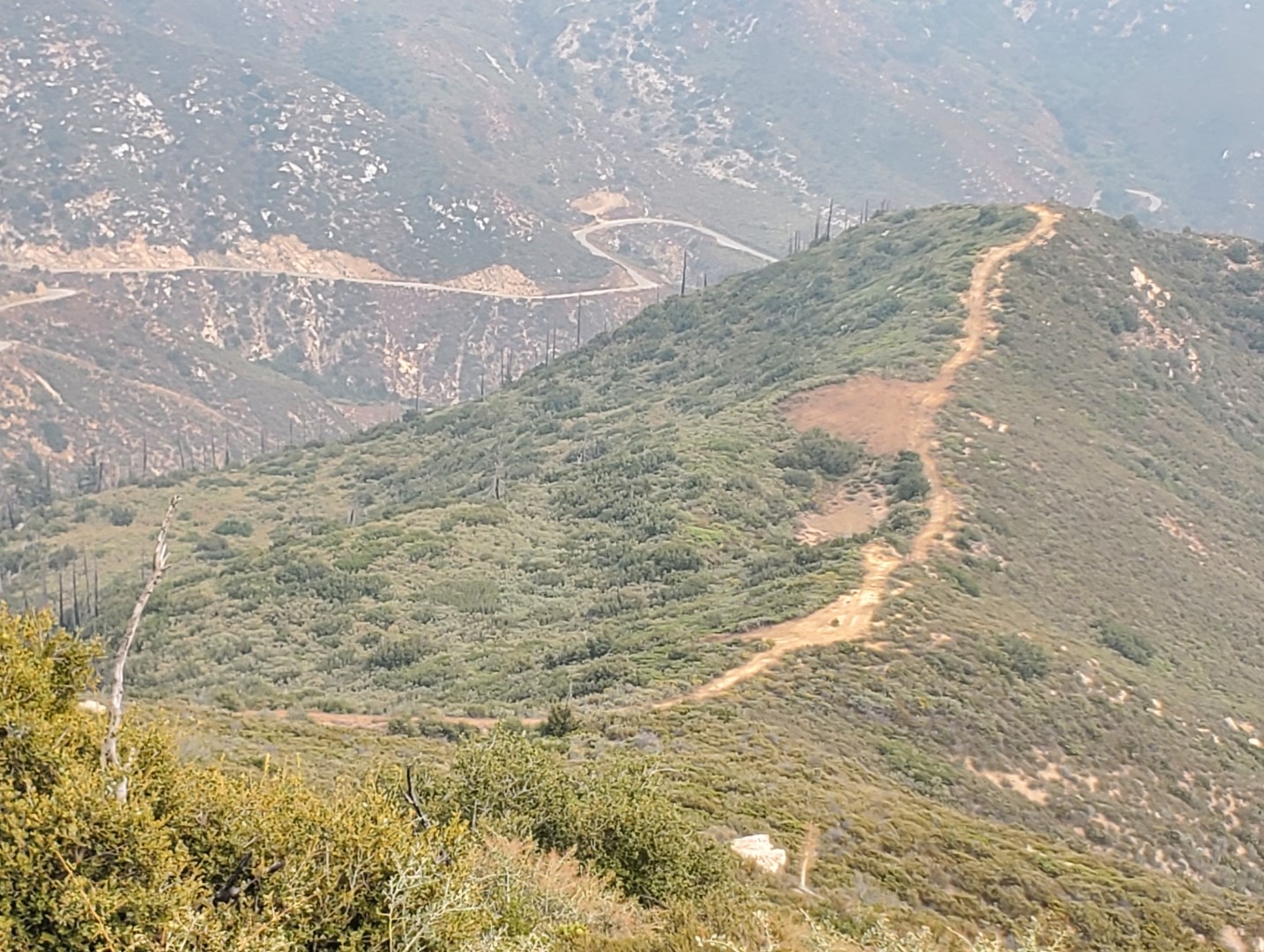
Hand Line Creation
Wildfire containment and prescribed‑fire operations depend on reliable control lines that hold under changing conditions. We construct handlines that support suppression efforts, establish boundaries for prescribed burns, and strengthen the effectiveness of fuels‑reduction projects.
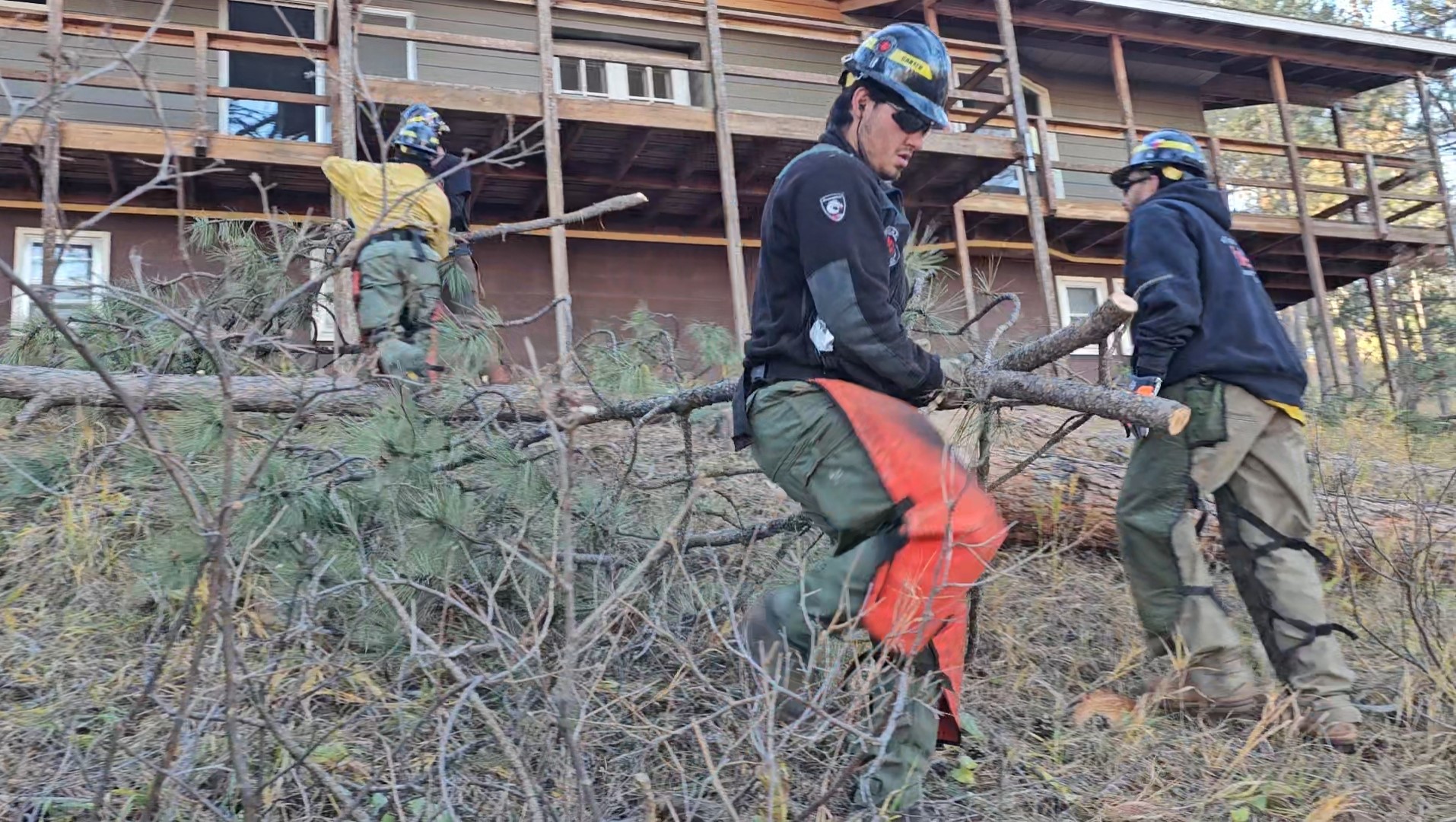
Defensible Space Operations Near Values
Structures and critical assets are far more vulnerable when vegetation is too close or too dense. We clear and modify fuels around homes, infrastructure, and other high‑value sites to create effective defensible space and improve survivability during wildfire.
Prescribed Fire Unit Prep
Prescribed fires require thorough preparation to ensure burns stay within planned boundaries and achieve desired outcomes. We prepare units with handlines, fuel breaks, and contingency measures so prescribed fires can be implemented safely and effectively.
Hand Piling and Pile Burning
Cut vegetation left on the ground can create concentrated fuel loads that increase future fire intensity. We thin fuels, pile residual material by hand, and burn piles under controlled conditions to remove hazards and reduce long‑term risk.
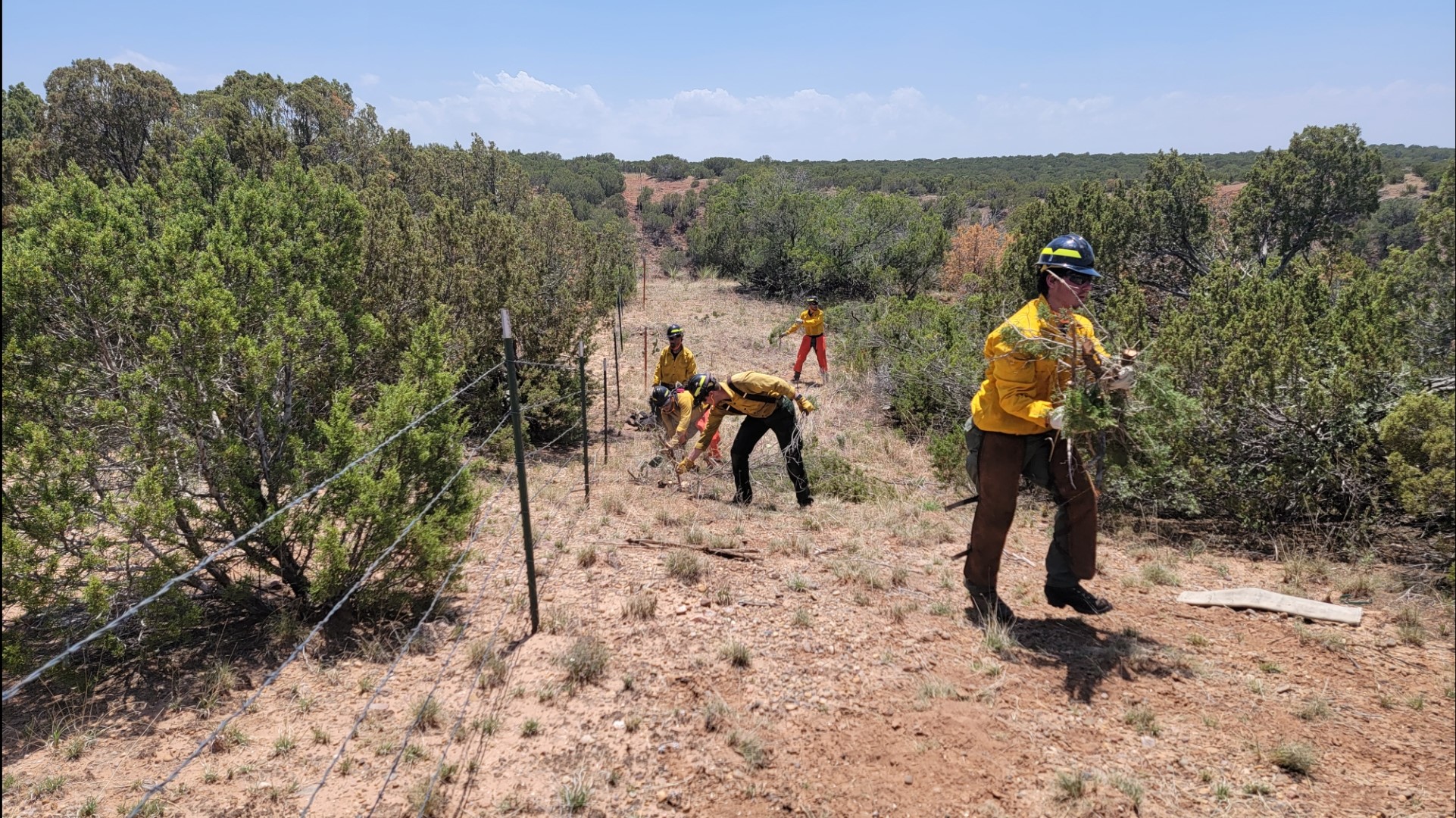
Roadside, Fenceline, and Right-of-Way Fuels Reduction
Overgrown roadsides, fencelines, and utility corridors often serve as ignition points and can hinder firefighter access. We reduce vegetation along these routes to lower ignition potential, improve access and safety, and provide tactical advantages during wildfire response.
Fuel Break Construction and Maintenance
Strategic fuel breaks slow fire spread and give firefighters safer, more effective opportunities to engage. We build and maintain fuel breaks that protect values, support suppression operations, and enhance prescribed‑fire implementation.
Western Fire Resources is currently seeking an Engine Captain for the 2027 wildfire season. See the Employment section for the vacancy announcement.