Once the fire is out, the real work of recovery begins. Moderate‑ and high‑severity fires can leave behind damaged soils, altered vegetation, and long‑term ecological changes that won’t heal on their own. Thoughtful planning, monitoring, and adaptive management help reduce these lasting impacts and guide the landscape toward a more resilient trajectory. It’s also essential to identify and address new hazards—such as weakened trees, damaged infrastructure, or erosion‑prone slopes—so they don’t become safety risks for landowners, workers, or the public.
Post-fire Recovery Services
Hazard Tree Felling
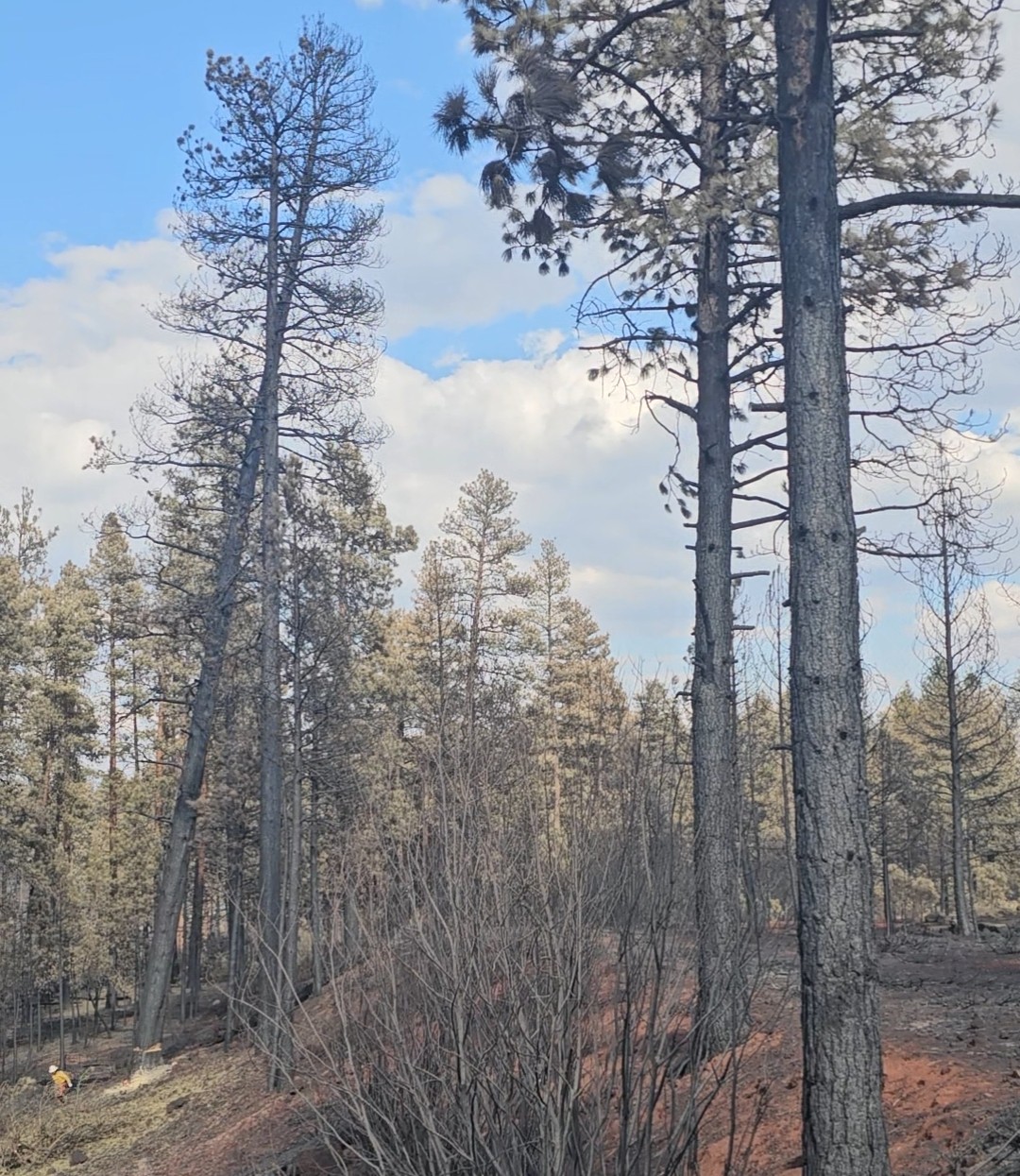
Post‑fire hazard trees pose serious risks to workers, residents, and remaining infrastructure, especially as weakened trees continue to fail long after the fire is out. We identify and safely remove dangerous trees to protect people, equipment, and access routes throughout the burned area.
Recovery Plan Preparation and Implementation
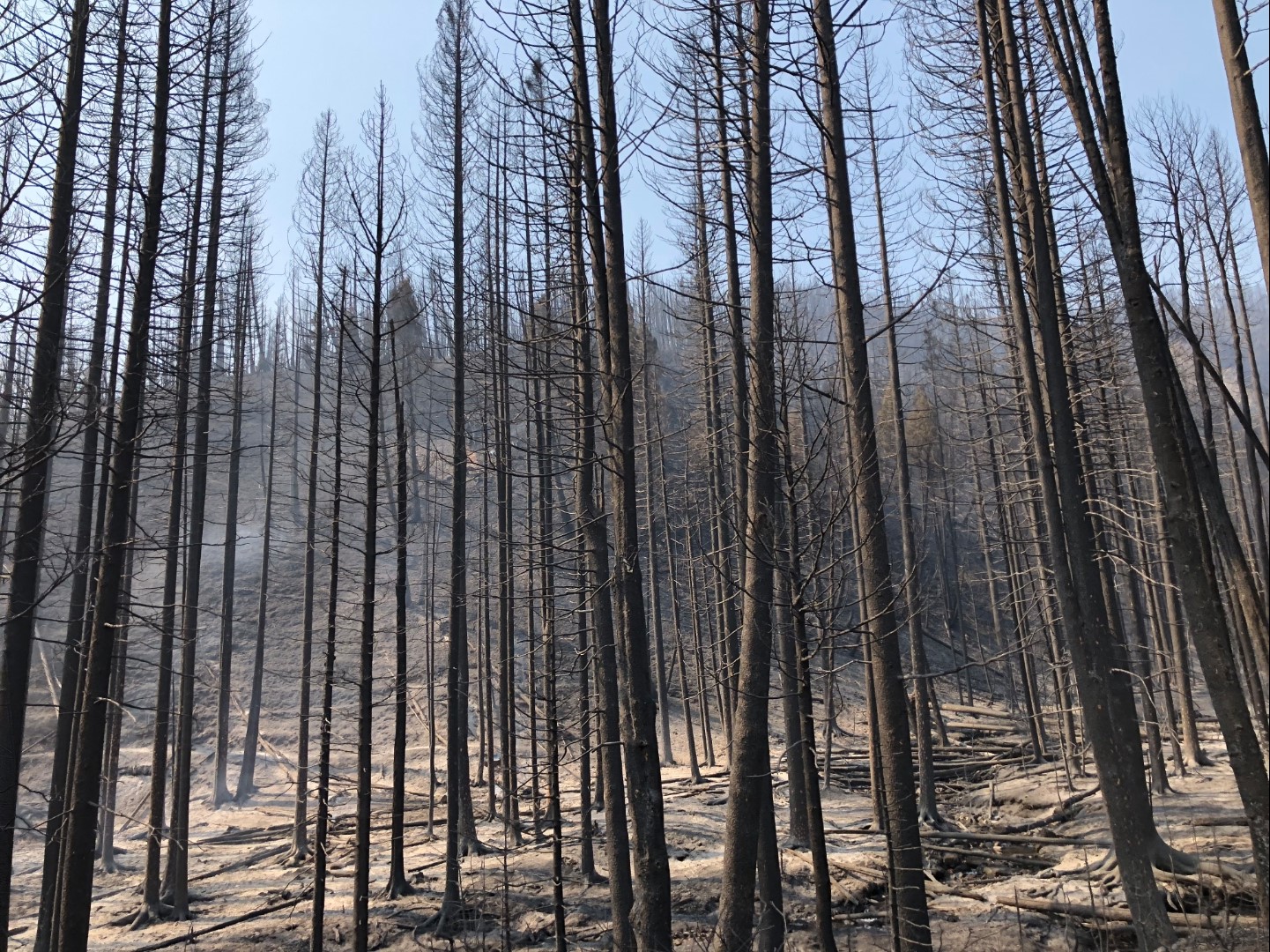
Burned landscapes can experience ongoing erosion, habitat loss, and secondary damage if recovery actions are not clearly planned and prioritized. We develop and implement site‑specific recovery plans that address erosion control, hazard trees, reseeding, and long‑term rehabilitation needs.
Monitoring and Adaptive Management
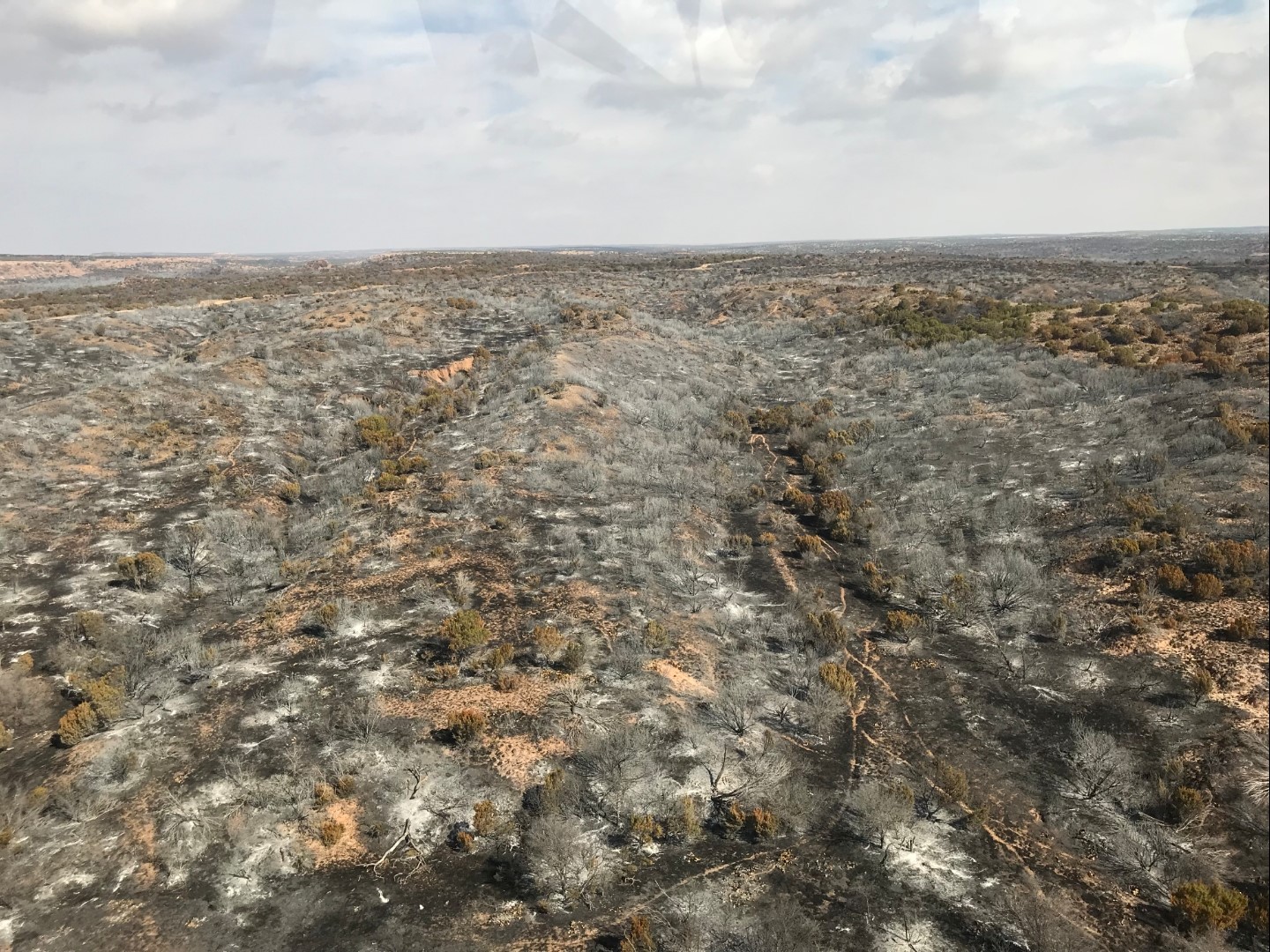
Post‑fire conditions evolve over time, and treatments often require adjustment to remain effective as vegetation regrows and weather patterns shift. We monitor burned areas and adapt treatments as needed to meet recovery objectives, reduce future risk, and support long‑term landscape resilience.
Western Fire Resources is currently seeking an Engine Captain for the 2027 wildfire season. See the Employment section for the vacancy announcement.